By the Rims & Tires Team
Compiled & reviewed by our West Georgia tire & wheel research team · Updated 2026-07-24
New tires can feel slippery or different from worn tires for the first 500 miles — and that is expected. The manufacturing process leaves a mold release compound on the tire surface that reduces grip until it wears off. Understanding the break-in period helps you drive safely while the tires reach their rated performance.
Why new tires have a break-in period
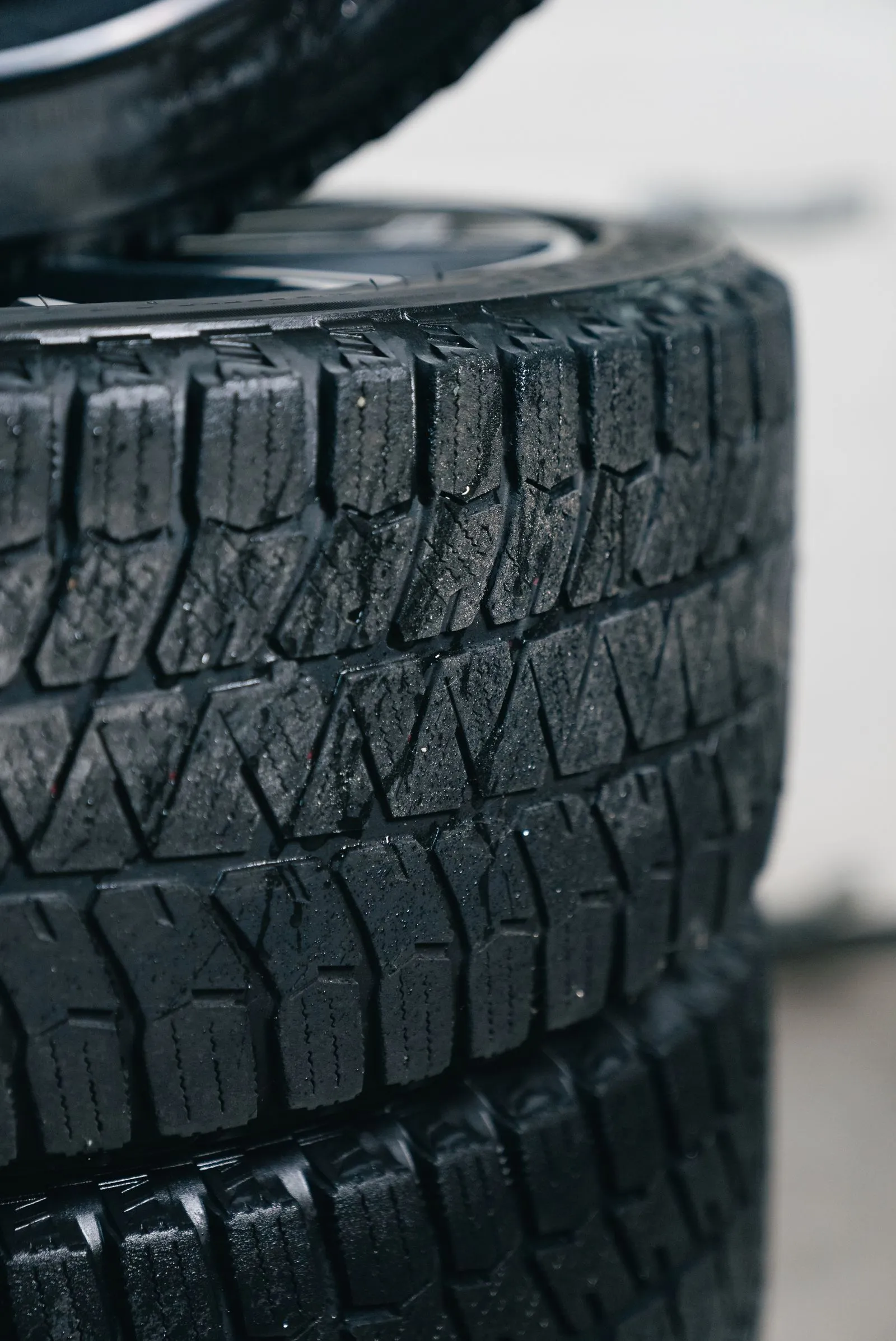
Tires are manufactured in a mold under heat and pressure. The mold uses silicone-based release agents so the tire doesn't stick when it's pulled out, and a thin layer of that compound remains on the tire surface after manufacturing.
This mold release compound reduces the tire rubber contact with the road surface during initial use. The practical effect is slightly reduced grip — particularly in wet conditions and at the tire limit in cornering or hard braking. Most tire manufacturers specify a 500-mile break-in period for this reason.
What to do and avoid in the first 500 miles
Drive normally for the first 500 miles — accelerate, brake, and corner smoothly. Do not take the tires to their limit during break-in. This means no aggressive launches, no hard cornering at speed, and no panic-stop testing.
Performance tire manufacturers (Michelin, Pirelli, Continental) explicitly state that their performance summer tires achieve full grip only after the break-in period. If you install Michelin Pilot Sport 4S tires and immediately test them aggressively on a wet road, the grip level will be lower than the tire is rated for.
Rain in the first 500 miles: be extra cautious. The mold release compound reduces wet grip more than dry grip. Give more stopping distance in wet conditions until the break-in is complete.
Frequently asked
How long is the break-in period for new tires?
Approximately 500 miles of normal driving. After 500 miles, the mold release compound has worn off and the tire reaches its rated performance level.
Do new tires feel different when first installed?
Yes — new tires often feel slightly slippery or less grippy than the worn tires they replaced, especially in the first few days. This is normal and expected due to the mold release compound. Performance should fully develop by 500 miles.
Is there anything I can do to break tires in faster?
Not really, and there's no shortcut worth chasing. The mold release wears off with normal miles, so just drive easy and let it happen over the first stretch of driving. Scrubbing them in hard doesn't speed things up, it just wastes tread and takes risks while grip is still low.
Do I need an alignment when I get new tires?
It's worth checking, especially if the old tires wore unevenly or the car pulls. New tires don't fix an alignment problem, they just start wearing into the same bad pattern. A quick alignment at install protects your investment and is a lot cheaper than replacing a fresh set early.
Should all four new tires go on at once?
When you can swing it, yes, matched tires give you the most predictable handling. If you're only replacing two, have the shop put the new pair on the rear axle for better wet-weather stability. On all-wheel-drive vehicles, replacing all four together isn't just preference, it protects the drivetrain.
Keep reading
- Do new tires need alignment
- When to replace tires
- Tire rotation cost
- Tire shops in West Georgia
- Car Vibrates After New Tires — What Is Going On
- Lug Nut Torque — The Spec That Matters More Than You Think
- How to Balance Tires — and When You Actually Need It
- New Tires Front or Back — Where Should New Tires Go?
Last updated 2026-07-24. General guidance only — confirm specifics with a local shop for your exact vehicle.