Published by Rims & Tires
Compiled & checked by the site's publisher from manufacturer, NHTSA & USTMA data · Updated 2026-07-24
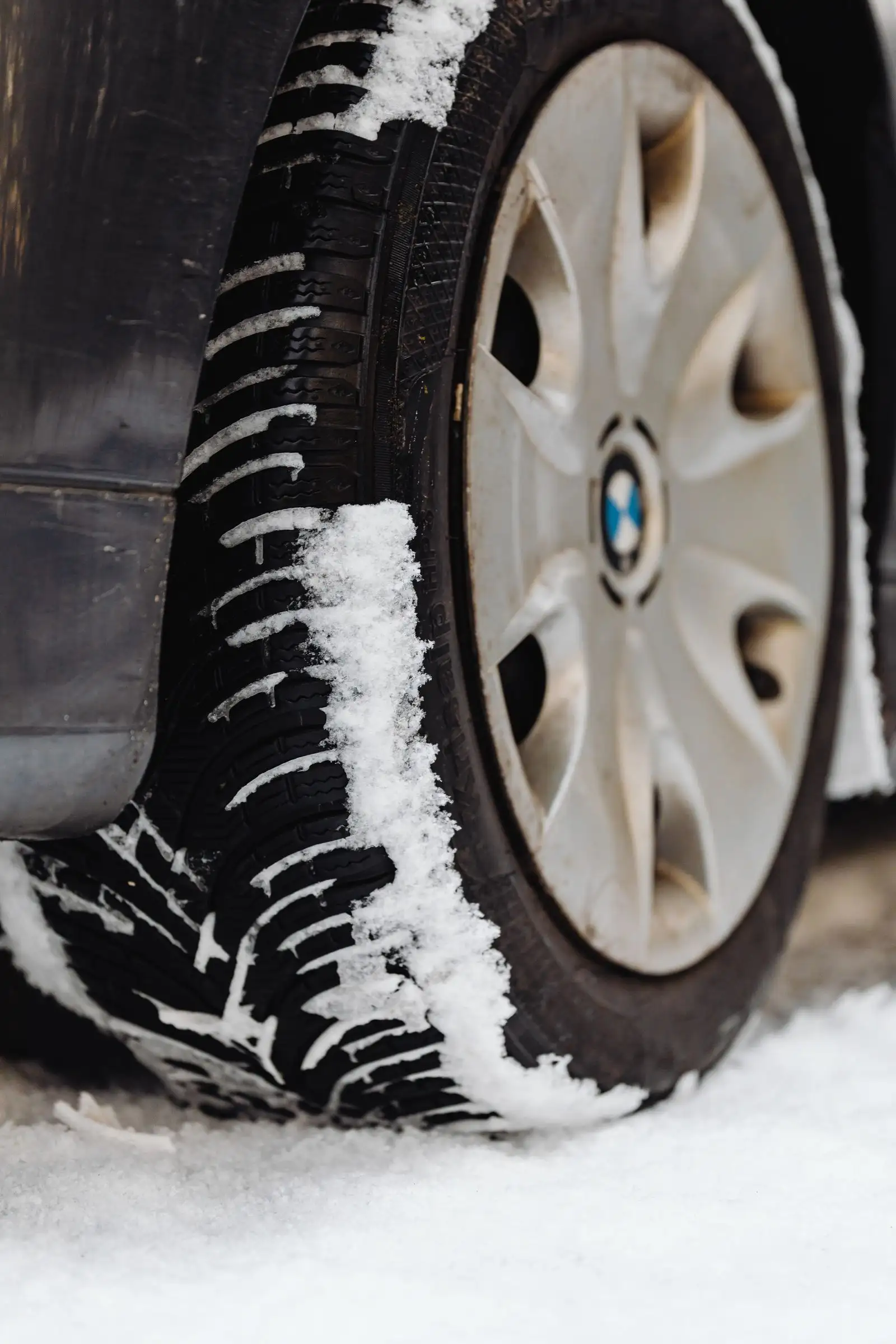
Georgia winters are mild by national standards. West Georgia averages one to three winter weather events per year, mostly light snow, freezing rain, or black ice that lasts 12 to 48 hours. Whether you need dedicated winter tires, all-weather tires, or your current all-seasons depends on how often you hit those conditions and how far you drive when they happen.
Do Georgia drivers need winter tires?
For most West Georgia drivers: no. Dedicated winter tires make the most economic sense when you drive regularly in sustained winter conditions: multiple months of snow, sustained temperatures below 30 degrees. Georgia doesn't have that climate.
Georgia gets occasional winter events. A good all-season tire (Michelin Defender, Continental PureContact) will handle the one or two light snow days per year that Georgia gets without issue. Roads are typically plowed or treated within hours, and temperatures return above freezing quickly.
For Georgia drivers who regularly travel north to Tennessee, North Carolina, or Virginia in winter, or who live at higher elevation in North Georgia, all-weather tires become a stronger argument.
All-weather tires — the Georgia compromise
All-weather tires (3PMSF-rated: Three Peak Mountain Snowflake symbol) are a different product than standard all-season tires. They use a silica compound similar to winter tires, staying flexible below 45 degrees, while maintaining acceptable summer performance. The symbol itself means something specific: per the ASTM F1805 snow traction test the tire industry uses to certify it, a tire has to beat a standard reference tire's snow traction by at least 10% to earn the 3PMSF mark.
For Georgia drivers: all-weather tires are the best middle ground. They handle the occasional Georgia snow day, work fine in normal Georgia summers, and do not require seasonal swaps.
Top all-weather picks for Georgia: Michelin CrossClimate2, Continental AllSeasonContact 2, Goodyear WeatherReady. These exceed standard all-season tires in cold and occasional snow without the trade-offs of a dedicated winter tire.
West Georgia Local
Find the right shop near you
Tell us your vehicle and what you need — we'll match you with a vetted West Georgia shop. Free, no obligation.
When to consider actual winter tires in Georgia
If you work in healthcare, emergency services, or another role that requires you to drive regardless of conditions, including the worst 24-hour ice events Georgia gets, dedicated winter tires like the Michelin X-Ice Snow or Bridgestone Blizzak WS90 provide a safety margin that all-weathers can't fully replicate.
If you have a rear-wheel drive vehicle (older BMW, Mustang, Charger) and live in an area of Georgia that ices regularly, winter tires are a real safety upgrade over standard all-seasons.
Frequently asked
What all-weather tire is best for West Georgia?
The Michelin CrossClimate2 is the top pick for West Georgia. It handles the rare snow day, delivers excellent wet performance for Georgia summer rain, and holds competitive fuel economy. Available in most common Georgia vehicle sizes.
Are all-season and all-weather tires the same thing?
No. All-season tires (M+S marked) are designed for year-round use but aren't optimized for snow. All-weather tires (3PMSF marked, the mountain snowflake symbol) are engineered for genuine winter traction. All-weather is the higher standard for cold and snow.
Is it worth buying dedicated winter tires just for a few icy days?
For most West Georgia drivers, no. We get a handful of winter events a year, and roads clear within a day or two, so a dedicated set that sits in the garage ten months out of the year rarely earns its cost. All-weather tires cover those days without the seasonal swap. The exception is anyone who has to drive through the worst of it, like healthcare and first responders, where the extra margin is worth it.
Do I need to swap winter tires off in the summer?
If you run true winter tires, yes. Their soft compound wears fast and feels vague in summer heat, so they come off once temperatures stay above freezing. That seasonal swap is exactly why all-weather tires appeal to Georgia drivers, since you mount them once and leave them on year-round.
Keep reading
Last updated 2026-07-24. General guidance only — confirm specifics with a local shop for your exact vehicle.