Published by Rims & Tires
Compiled & checked by the site's publisher from manufacturer, NHTSA & USTMA data · Updated 2026-07-24
Georgia winters are mostly mild. West Georgia does see occasional ice storms and stretches of cold weather that make all-season rubber compound noticeably less grippy, though. Most drivers don't need dedicated winter tires, but understanding the trade-offs helps you drive safer on the bad days.
What makes a winter tire different
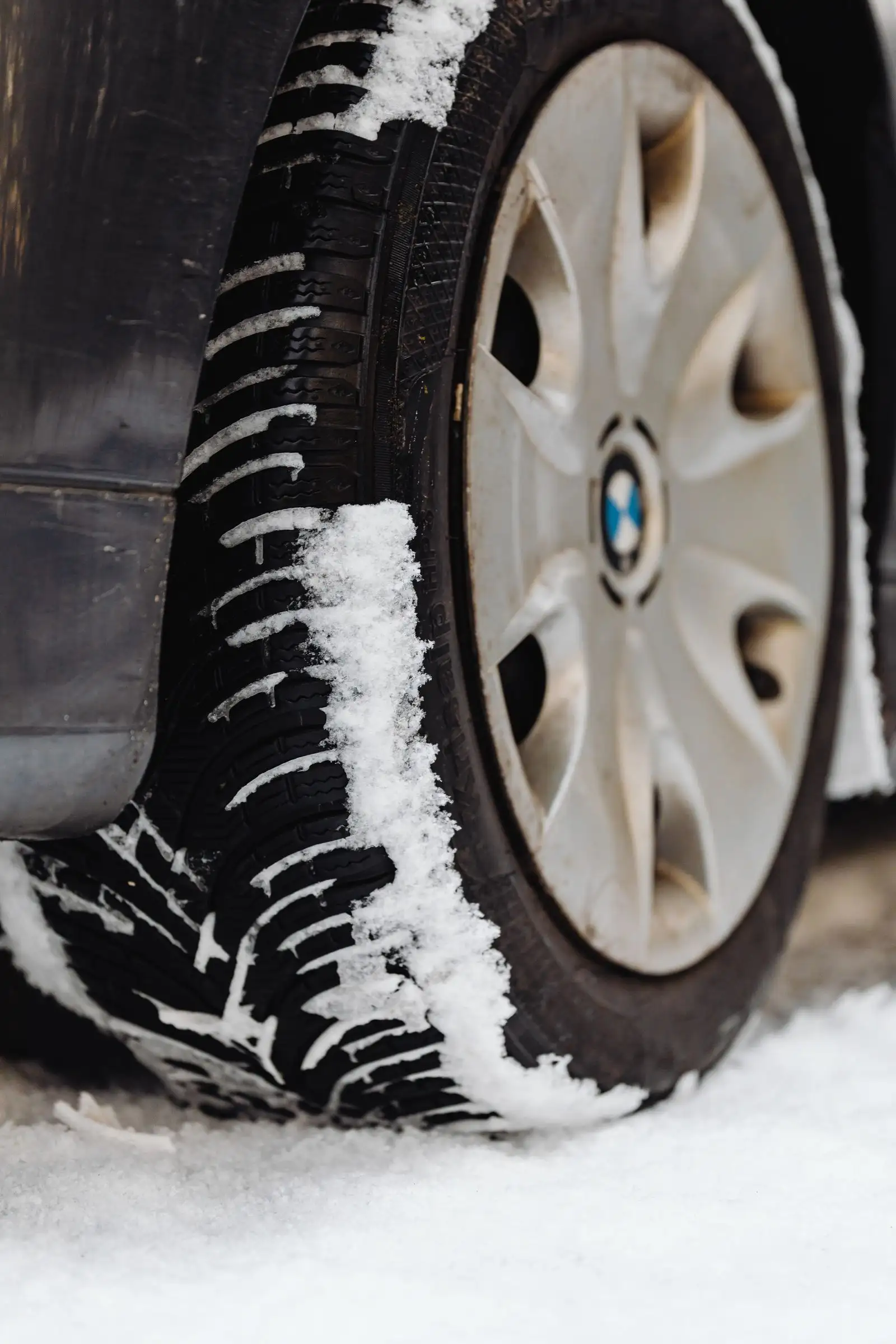
Winter tires use a softer, more flexible rubber compound specifically engineered to stay pliable below 45°F. Standard all-season rubber hardens and loses grip at that point. Winter tires also use sipes (tiny cuts in the tread blocks) and specialized tread patterns to channel slush, water, and packed snow.
The result: dramatically shorter stopping distances on ice and snow. In independent tests, dedicated winter tires stop 30–40% shorter on ice than all-season tires.
What Georgia drivers actually need
For most West Georgia drivers on paved roads, premium all-season tires handle the occasional winter storm adequately. Look for tires marked with the Three-Peak Mountain Snowflake (3PMSF) symbol on the sidewall. It is a standardized test that proves meaningful cold-weather performance, unlike the simpler M+S rating, which is self-certified.
All-terrain tires (particularly those 3PMSF-rated) also handle Georgia's occasional ice and snow well — BFGoodrich KO2, Falken Wildpeak A/T3W, and Cooper Discoverer A/T3 4S all carry the rating.
West Georgia Local
Find the right shop near you
Tell us your vehicle and what you need — we'll match you with a vetted West Georgia shop. Free, no obligation.
When winter tires are worth it
If you regularly drive mountain roads or areas that ice heavily, or if you drive a performance car that becomes dangerous in cold weather, a winter tire swap is genuinely worth the investment. You'll need a second set of wheels or season swaps at a shop — but the stopping distance difference can be the difference between a near-miss and a collision.
Frequently asked
Do I need winter tires in Georgia?
For most West Georgia drivers, no. Premium all-season tires with the Three-Peak Mountain Snowflake rating handle our occasional winter weather adequately. Dedicated winter tires are worth it for mountain driving or for drivers who want maximum cold-weather safety.
What does the snowflake symbol on a tire mean?
The Three-Peak Mountain Snowflake (3PMSF) means the tire passed a standardized test for winter performance — it brakes shorter in snow than a tire without the rating. It's more meaningful than the M+S (mud and snow) designation, which is self-certified.
Can all-terrain tires handle Georgia ice?
Yes. 3PMSF-rated all-terrain tires (like BFGoodrich KO2 and Falken Wildpeak AT3W) perform well in Georgia winter conditions. Many truck and SUV owners already have winter-capable tires without knowing it, if they're running a rated A/T.
Are winter tires overkill for someone who barely leaves Carrollton?
For most in-town driving around Carroll County, yes. A good all-season with the snowflake rating covers the handful of icy mornings we get each year. Dedicated winter tires start to earn their keep if you regularly commute up toward the north Georgia mountains, where the cold sticks around and roads ice over for real.
Do I have to buy a second set of wheels for winter tires?
You don't, but it makes life easier. Mounting winter tires on their own wheels means a quick seasonal swap instead of paying to dismount and remount rubber twice a year. If you only run winters occasionally, having a shop swap them onto your existing wheels each season works fine too.
Keep reading
Last updated 2026-07-24. General guidance only — confirm specifics with a local shop for your exact vehicle.