Published by Rims & Tires
Compiled & checked by the site's publisher from manufacturer, NHTSA & USTMA data · Updated 2026-07-24
All-terrain and all-season tires both get marketed as year-round tires — but they are very different products built for different drivers. The confusion is understandable. This guide explains what each is actually designed for, and which one belongs on your truck or SUV.
What all-season tires are designed for
All-season tires are engineered for on-road performance across a range of weather conditions: summer heat, rain, mild cold, and light frost. They have moderate tread depth, a smooth tread pattern that minimizes road noise, and a compound that stays pliable across a wide temperature range.
All-season tires are typically available in sizes for passenger cars, crossovers, and light SUVs. They are not designed for off-road use, heavy towing, or deep mud. Their strength is refinement: low noise, good fuel economy, long tread life, and predictable handling on paved roads.
What all-terrain tires are designed for
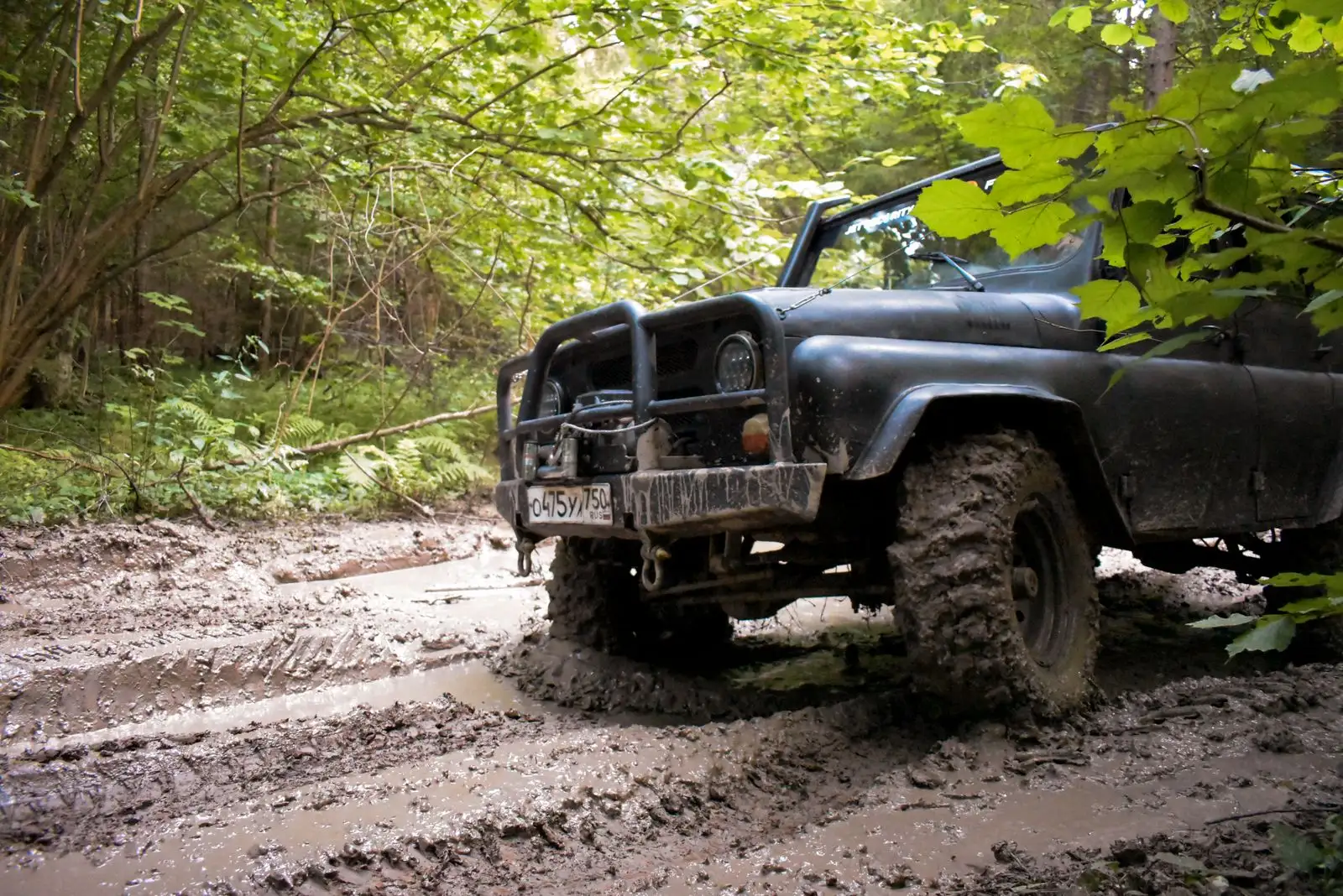
All-terrain tires are designed for vehicles that divide time between on-road and off-road driving. They have deeper, more aggressive tread blocks with wider grooves to channel mud and rocks, reinforced sidewalls to resist punctures, and typically higher load ratings for towing.
The tradeoffs compared to all-seasons: more road noise (especially at highway speeds), higher rolling resistance (slightly lower fuel economy), and typically shorter tread life due to the softer, grippier compound — see our tire compound guide for why that softer rubber trades wear for grip. These are small costs worth paying if you actually use the off-road capability.
West Georgia Local
Find the right shop near you
Tell us your vehicle and what you need — we'll match you with a vetted West Georgia shop. Free, no obligation.
Which one is right for you?
Choose all-season tires if: you drive a crossover or light SUV primarily on pavement, your off-road use is gravel driveways or light dirt roads, and you want maximum fuel economy and minimal road noise.
Choose all-terrain tires if: you have a truck or body-on-frame SUV, you regularly drive on dirt roads, forest service roads, or light trails, you tow a trailer or carry heavy loads, or you want the capability for the occasional adventure even if most miles are on-road.
A common mistake: putting all-terrain tires on a crossover. The extra weight, noise, and wear of an all-terrain is rarely worth it on a vehicle with limited ground clearance and no real off-road intent. For a RAV4 Hybrid or Outback used on gravel occasionally, a 3PMSF-rated all-season is the better choice.
The middle ground — all-terrain all-season tires
A few tires blur the line between the two categories. The Falken Wildpeak AT3W, BFGoodrich KO2, and Goodyear Wrangler TrailRunner AT are all-terrains built to feel more like an all-season on the highway. They stay quieter and easier on fuel than a traditional A/T while still delivering real off-road capability.
For truck and SUV owners in West Georgia who want good pavement manners plus the capability to handle rural roads and the occasional job site, these hybrid all-terrain tires are often the sweet spot.
All-terrain vs. all-season tires at a glance
| Factor | All-season | All-terrain |
|---|---|---|
| Built for | Paved roads in most weather | A split of road and off-road, often 70-30 to 80-20 |
| Tread pattern | Shallower, smoother, quiet | Deeper blocks and wide grooves for mud and rock |
| Highway noise | Low | Higher; hums at speed |
| Tread life on pavement | Longer | Shorter (softer, grippier compound) |
| Fuel economy | Better | Slightly worse from higher rolling resistance |
| Best fit | Cars, crossovers, light SUVs | Trucks and body-on-frame SUVs that see dirt |
Frequently asked
Can I use all-terrain tires on a regular SUV?
Technically yes, but it is rarely the right choice for crossover SUVs. All-terrain tires add road noise, reduce fuel economy, and wear faster on pavement. For body-on-frame trucks and SUVs used off-road, all-terrain tires make sense. For most crossover owners, a good all-season or 3PMSF-rated all-weather tire is the better choice.
Are all-terrain tires good in rain?
Reasonably good but not as refined as all-season tires. The wide, deep tread grooves of all-terrain tires do evacuate water effectively, so wet traction is adequate. However, the aggressive tread pattern can cause more hydroplaning at highway speeds than a smooth all-season tread in heavy rain.
Do all-terrain tires wear faster than all-season tires?
On pavement, yes — all-terrain tires typically wear faster than all-season tires of comparable size. The aggressive tread compound that grips loose terrain is also softer on pavement, leading to faster wear. All-season tires optimized for pavement driving will typically outlast all-terrains in pure highway miles.
Which one makes sense for West Georgia driving?
For most drivers here, whose miles are pavement with the odd gravel driveway or dirt road, a good all-season or 3PMSF all-weather covers it and stays quiet and efficient. Save the all-terrain for a truck or body-on-frame SUV that actually sees red clay, job sites, or trails. If you're genuinely split, a hybrid all-terrain tire is the middle ground.
Do all-terrain tires cost more than all-season?
Usually a bit more up front, and they can cost you again down the road, since they wear faster on pavement and nudge fuel economy down. If you don't use the off-road capability, you're paying for tread you'll never need. A shop can price both out in your size so you see the real difference before deciding.
Keep reading
Last updated 2026-07-24. General guidance only — confirm specifics with a local shop for your exact vehicle.