Gold's Tire Shop
Carrollton, GA · Carroll County
3.1★ · 176 Google reviews
New & used tires, repair, alignment, rotation, roadside assistance.
- Tires
- Used Tires
- Alignment
- Repair
806 Newnan Rd, Carrollton, GA 30117
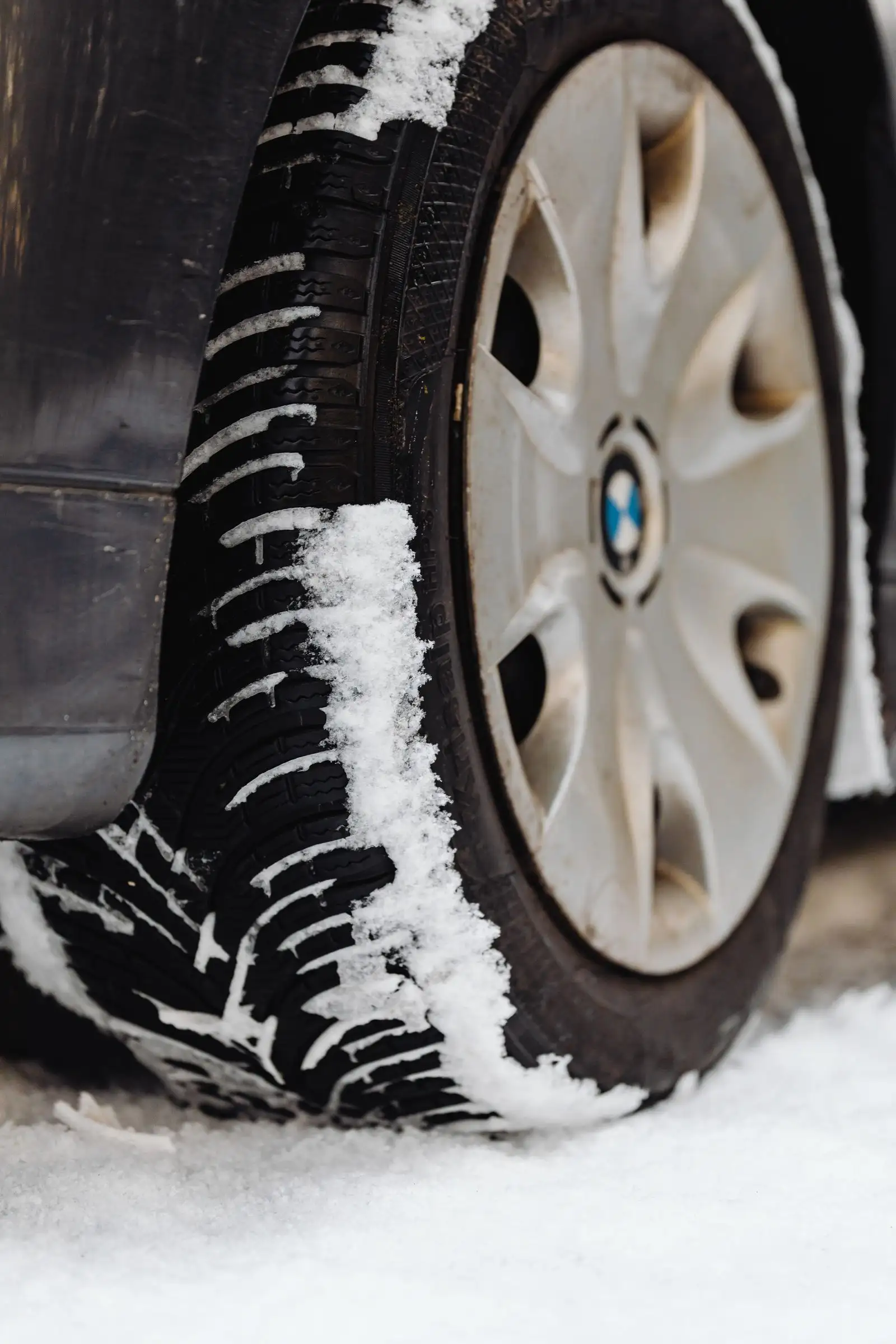
Cold weather · Ice · Snow — what West Georgia actually needs
Most West Georgia drivers do not need dedicated winter tires — but knowing the difference between all-season, all-weather, and true winter tires could save your life on an icy morning.
Most drivers in Carroll, Douglas, Paulding, Haralson, and Heard counties do not need dedicated winter tires — an all-weather (3PMSF-rated) tire at $120–180 per tire handles West Georgia's brief ice events without seasonal swapping. Dedicated winter tires ($100–200 per tire) make sense only for drivers who regularly head into the Appalachian foothills or mountains.
Winter tires are engineered from the compound up for cold — not just given an aggressive tread pattern.
Winter tires use a specially engineered rubber compound that stays soft and pliable below 45°F. All-season rubber hardens in the cold — increasing stopping distances. The rubber compound difference is the single most important factor in winter tire performance.
Winter tires have far more sipes (tiny slits cut into the tread blocks) than all-season tires. These sipes create biting edges that grip ice and compact snow. More sipes means more traction on slick surfaces.
The 3PMSF symbol means the tire has been independently tested and meets minimum winter traction standards on packed snow. All-weather tires also carry this rating. M+S (Mud + Snow) is a self-designation — not an independent test. Require 3PMSF for genuine winter tires.
Winter tires use wider, deeper grooves to channel slush and standing water away from the contact patch. This prevents hydroplaning on wet winter roads and allows snow to pack into the tread — which then grips unpacked snow through a snow-on-snow contact mechanism.
Studless winter tires rely entirely on rubber compound and sipe design — they perform well on ice and compacted snow without studs. Studdable designs have pre-formed holes for metal studs. Georgia law allows studded tires from October 15 through April 15 on public roads.
The three cold-weather tire categories, and which one makes sense for West Georgia driving.
| Tire type | Best for | Cold & ice | Wet roads | Dry roads | Tread life | Note |
|---|---|---|---|---|---|---|
| Dedicated Winter Tires | Drivers in mountain/hilly areas or those who drive in freezing conditions | Outstanding — engineered for it | Excellent | Good — noticeable in summer heat | Long life when swapped seasonally; worn quickly if used year-round | Must swap to summer/all-season when temps rise above 45°F |
| All-Weather Tires (3PMSF) | Most West Georgia drivers — practical winter capability without seasonal swapping | Very good — 3PMSF rated, compound between all-season and true winter | Excellent | Excellent | 50,000–70,000 miles year-round | The practical choice for mild winter markets like West Georgia |
| All-Season Tires | Drivers who rarely see freezing temperatures or snow | Fair — M+S rated but not 3PMSF; tread hardens significantly below 45°F | Very good | Excellent | 40,000–65,000 miles | The OEM standard — adequate for most West Georgia winters but not optimized for freezing roads |
Carroll, Douglas, Paulding, Haralson, and Heard counties average fewer than 2 significant winter weather events per year. Typical events are brief ice glazes on bridges and shaded roads — not multi-day snow accumulations. The most dangerous conditions are the ones that catch drivers on summer all-season tires: a freezing rain event that hits before roads are treated, or an overnight ice glaze on rural back roads. All-weather tires (3PMSF-rated) handle these events significantly better than standard all-season tires. Dedicated winter tires are warranted for drivers who regularly cross into the Appalachian foothills, travel north toward the mountains, or are on terrain that holds ice for days at a time.
These shops stock all-weather tires and can order dedicated winter tires for your vehicle.
Carrollton, GA · Carroll County
3.1★ · 176 Google reviews
New & used tires, repair, alignment, rotation, roadside assistance.
806 Newnan Rd, Carrollton, GA 30117
Douglasville, GA · Douglas County
4.5★ · 294 Google reviews
Family-owned auto repair and tire shop serving Douglasville and Lithia Springs.
6320 Fairburn Rd, Douglasville, GA 30134
Hiram, GA · Paulding County
4.4★ · 173 Google reviews
950 Hiram Douglasville Hwy, Hiram, GA 30141
Buchanan, GA · Haralson County
Full-service automotive and tire dealer; also mufflers/exhaust and auto parts.
4582 Buchanan Hwy, Buchanan, GA 30113
Carrollton, GA · Carroll County
4.1★ · 176 Google reviews
132 Maple Street, Carrollton, GA 30117
Douglasville, GA · Douglas County
2.2★ · 106 Google reviews
Established 2007. Custom wheels and tires, installation.
5621 Fairburn Rd, Ste 92, Douglasville, GA 30134
Dallas, GA · Paulding County
4.6★ · 518 Google reviews
Since 2003. New & used tires, alignment, commercial tire service.
101 White Park Dr, Dallas, GA 30132
Buchanan, GA · Haralson County
4.9★ · 167 Google reviews
UTV / side-by-side off-road specialist: beadlock wheels, off-road tires, spacers, suspension.
7344 GA-120, Buchanan, GA 30113
Carrollton, GA · Carroll County
4.6★ · 67 Google reviews
510 Alabama St, Carrollton, GA 30117
Winter vs all-season →
Which do you actually need?
Best winter tires for Georgia →
Local picks for West Georgia winters
Studded tires explained →
How they work and Georgia's law
Best winter tires →
Top picks ranked by test data
All-season vs all-weather →
Full comparison guide
How to choose winter tires →
Step-by-step buyer guide
Most West Georgia drivers do not need dedicated winter tires. Carroll, Douglas, Paulding, and Haralson counties average fewer than 2 significant winter weather events per year — usually brief ice accumulation, not sustained snow coverage. All-weather tires (3PMSF-rated) handle these events well without seasonal swapping. Drivers who commute over the Appalachian foothills, travel to the mountains regularly, or live on rural roads that ice over before county plows arrive are the strongest candidates for winter tires.
Michelin X-Ice Xi3, Bridgestone Blizzak WS90, and Continental WinterContact SI consistently top independent winter tire tests. The Bridgestone Blizzak is the single most recommended winter tire globally. For West Georgia drivers who want year-round convenience without seasonal swapping, the Michelin CrossClimate2 (all-weather, 3PMSF) is more practical than a dedicated winter tire.
All-season tires are designed for moderate conditions — good in rain, adequate in light snow. Their rubber compound stiffens significantly below 45°F, reducing grip. All-weather tires carry the Three-Peak Mountain Snowflake (3PMSF) rating — meaning they have been independently tested to meet winter traction standards. All-weather tires use a softer compound that maintains grip in cold, combined with more aggressive siping. They bridge the gap between all-season and dedicated winter tires.
No. Winter tire rubber compounds are engineered to stay soft in cold — they wear extremely fast in warm temperatures and handling in summer heat is significantly degraded. Using winter tires year-round costs you 2–3x the tread life compared to seasonal swapping, and creates safety issues in summer. If you want year-round convenience, choose all-weather tires instead.
Dedicated winter tires: $100–200 per tire for common passenger sizes, installed. A second set of steel wheels to mount them on: $50–100 per wheel (so you can swap yourself). All-weather tires (the practical West Georgia alternative): $120–180 per tire installed — no second wheel set needed.
Tell us your vehicle and driving conditions. We will recommend all-weather or winter tires available from shops near you in West Georgia.