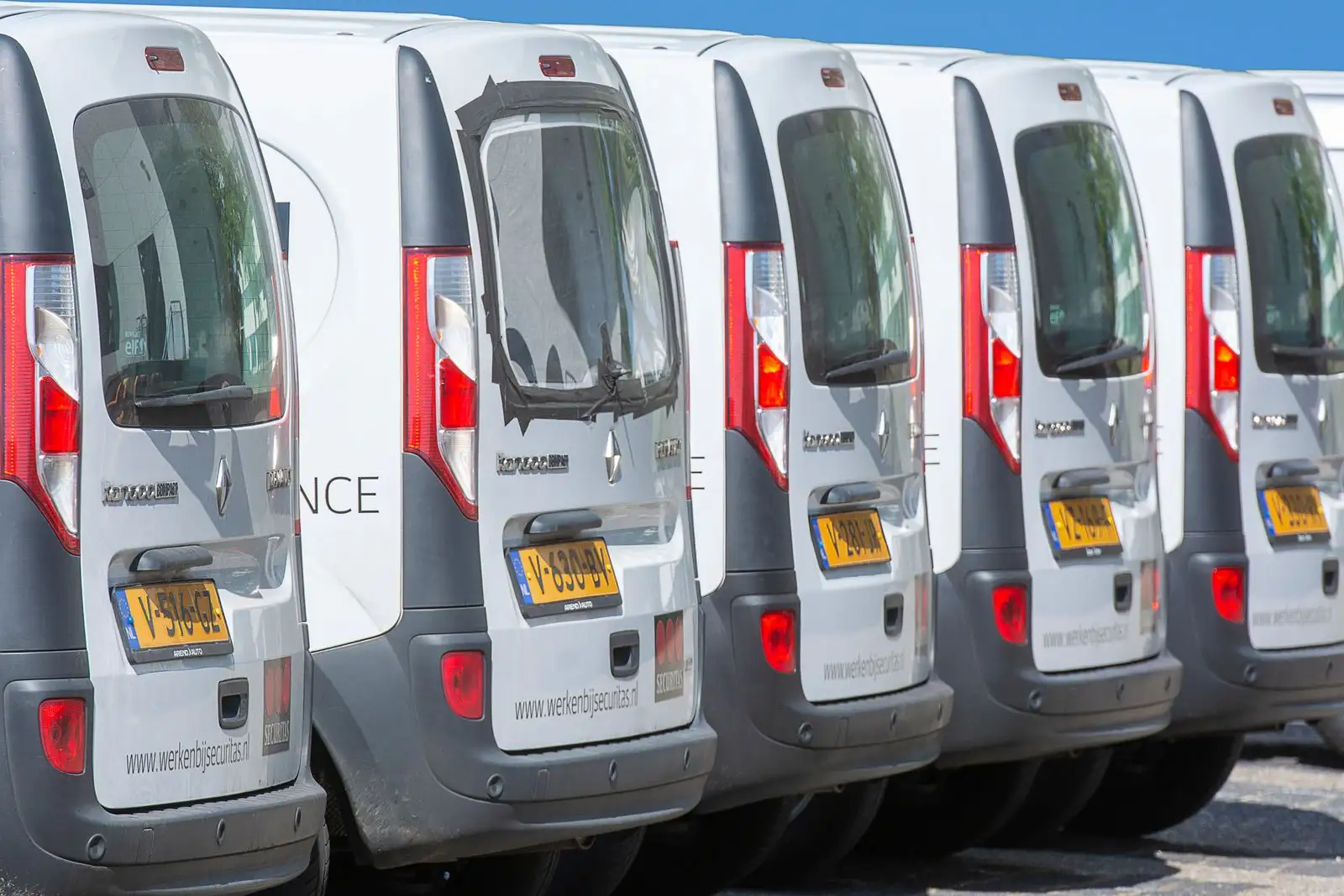
Published by Rims & Tires
Compiled & checked by the site's publisher from manufacturer, NHTSA & USTMA data · Updated 2026-08-12
"Commercial tire service" and "fleet tire service" get used loosely, but for a small West Georgia business — a contracting crew, a local delivery route, a handful of work trucks — they boil down to a few concrete things: the right tire for a vehicle that works for a living, an account setup that doesn't mean paying full retail on every visit, and a way to keep vehicles rolling instead of sitting in a bay. This guide covers what to actually ask for, not a sales pitch for any one shop.
What makes a tire "commercial" in the first place
Most of what people call a "commercial tire" for a pickup, cargo van, or box truck is an LT (Light Truck) rated tire in a higher load range — commonly C, D, or E. The letter tells you how much weight the tire is built to carry at its rated pressure, and it matters more for a work vehicle than tread pattern or brand does. Our load range guide and E-rated tire guide go into the specifics of C through F and when each one is actually needed versus overkill.
True heavy-truck commercial tires — steer, drive, and trailer tires for Class 6-8 trucks — are a different, more specialized category, sized and speed-rated for over-the-road or local-delivery duty cycles most passenger-vehicle shops don't stock. A single work pickup or cargo van almost never needs that category; a box truck or straight truck on a delivery route might.
Fleet accounts and volume pricing
A fleet account is just a standing arrangement with a shop: one invoice (or a monthly statement) instead of paying per visit, priority scheduling so a down vehicle doesn't sit behind walk-in customers, and often a negotiated discount once purchase volume justifies it. It's not a special product — it's a billing and scheduling relationship, and most full-service tire shops will set one up for a business with more than a couple of vehicles if asked directly.
There isn't a standard fleet discount — it depends on the shop, the vehicle count, and how much of the work goes to that one location. The way to find out is to call and ask what a fleet account looks like at that specific shop, not to assume a number in advance.
West Georgia Local
Find the right shop near you
Tell us your vehicle and what you need — we'll match you with a vetted West Georgia shop. Free, no obligation.
On-site and mobile service
Mobile and on-site tire service — a technician coming to a job site, a yard, or a stalled vehicle rather than the vehicle coming to the shop — is common in the commercial space specifically because downtime is the expensive part, not the tire. A crew truck down for half a day costs more in lost labor than the tire itself. Our mobile tire repair guide covers what mobile service typically handles and how it's usually priced; not every shop offers it, so it's worth confirming before you need it, not after.
Basic tire lifecycle management for a small fleet
The businesses that spend the least per mile on tires aren't buying anything special — they're catching problems before they become failures. That means keeping a simple record per vehicle: rotation dates, tread depth at each visit, and inflation checks, especially on vehicles nobody drives daily. Under-inflation and missed rotations are still the two biggest causes of early tire wear on a work vehicle, exactly as they are on a personal one — see our guide on what causes uneven tire wear.
For a fleet, the payoff of that record-keeping is scheduling replacement on your terms — during a slow week, before a big job — instead of reacting to a flat or a blowout during one. It's a habit, not a product a shop sells you.
DOT inspection basics, kept general
If a business's vehicles meet the federal definition of a commercial motor vehicle (broadly, larger trucks operating in interstate commerce, though state rules vary for intrastate operation), those vehicles are subject to Department of Transportation roadside inspection standards, which include tire tread depth and condition requirements enforced under federal regulation (49 CFR § 393.75). A contractor's pickup or a local delivery van doesn't automatically fall under full DOT commercial-carrier rules just because it's used for work — the classification depends on the vehicle's weight rating and how it's operated, so check your specific fleet's status rather than assuming either way.
Regardless of whether DOT rules formally apply, the tread-depth and condition checks a DOT inspection looks for are the same things worth checking on any work vehicle on a routine basis — it's a reasonable standard to hold your fleet to even if no inspector is checking.
Finding the right shop for your fleet in West Georgia
This directory doesn't yet track which shops formally offer fleet accounts or stock commercial-grade LT tires as a matter of record — that's a gap on our end, not a claim that no shop here does it. The honest way to shop it: use the full shop directory or tell us about your fleet and we'll help you find shops worth calling, then ask each one directly about fleet account terms, LT tire stock in your sizes, and whether they offer on-site service. A shop that answers those three questions clearly and specifically is a good sign; one that's vague on all three is worth a second call elsewhere.
Our Commercial & Fleet Tires page has more on services and typical pricing ranges across the area.
Frequently asked
What's the difference between commercial tire service and just buying LT tires?
LT tires are a product — a light-truck rated tire in the right load range for the vehicle. Commercial or fleet tire service is the relationship: an account with a shop that covers scheduling, billing, and often service for multiple vehicles, built around the tires the fleet actually needs.
Do I need a fleet account if I only have two or three work trucks?
It's optional at that size, but even a small fleet can benefit from consolidated billing and priority scheduling. Ask the shop you already use whether they set up accounts for businesses your size — many do, and there's no real downside to asking.
What tires do work trucks and vans actually need?
Almost always LT (Light Truck) rated tires in a load range that matches or exceeds what the vehicle's door-jamb sticker specifies. A van or half-ton truck used lightly may be fine on Load Range C or D; a heavily loaded 3/4-ton or 1-ton commonly needs Load Range E. See our [load range guide](/guides/load-range-explained) for the specifics.
Does DOT inspection apply to my business's vehicles?
It depends on the vehicle's weight rating and how it's used in commerce — not every work truck or delivery van meets the federal definition of a commercial motor vehicle. If unsure, that's a classification question worth confirming rather than assuming either way; the tread and condition standards a DOT inspection checks for are good practice regardless.
Is mobile or on-site tire service available for fleets in West Georgia?
Some shops in the area offer it; not all do. It's worth confirming directly with a shop before you need it — a down vehicle on a job site is the wrong time to find out a shop doesn't offer on-site service. Our [mobile tire repair guide](/mobile-tire-repair) covers what that service typically includes.
How do I find a shop in West Georgia that handles fleet or commercial work?
Start with the [full shop directory](/shops) or [get a free quote](/get-a-quote) and tell us about your fleet — we'll help point you toward shops worth calling. Then ask directly about fleet account terms, LT tire stock, and on-site service, since that level of detail isn't something a directory can verify from the outside.
Keep reading
Last updated 2026-08-12. General guidance only — confirm specifics with a local shop for your exact vehicle.