Published by Rims & Tires
Compiled & checked by the site's publisher from manufacturer, NHTSA & USTMA data · Updated 2026-08-14
West Georgia isn't on the coast, but it isn't out of range of hurricane season either. NOAA's own climatology puts the peak of the Atlantic season, mid-August through mid-October, at 78 percent of all tropical storm days and a striking 96 percent of major hurricane days nationwide. That window is open right now, and the remnants of a tropical system tracking through interior Georgia bring the same two hazards to Carroll, Douglas, Paulding, Haralson, and Heard counties that they bring anywhere else: standing water on the road and debris in it.
West Georgia's real exposure to storm season
Hurricane Helene tracked well east of West Georgia in September 2024, and Carroll EMC's own after-action report described the county as largely spared compared to the devastation farther east. But NOAA's Storm Events Database still logged a real, if comparatively moderate, local impact: 23 trees down and downed power lines in Carrollton, Whitesburg, and Villa Rica, with roughly $35,000 in recorded property damage from that single event.
That's the pattern worth planning around. West Georgia rarely takes a direct hit, but the outer bands of a tropical system moving through interior Georgia still bring heavy rain, gusty wind, and downed limbs to local roads, and the storm doesn't have to be a named hurricane by the time it reaches Carrollton to make driving genuinely hazardous for an afternoon or a night.
Tread depth is your hydroplaning insurance
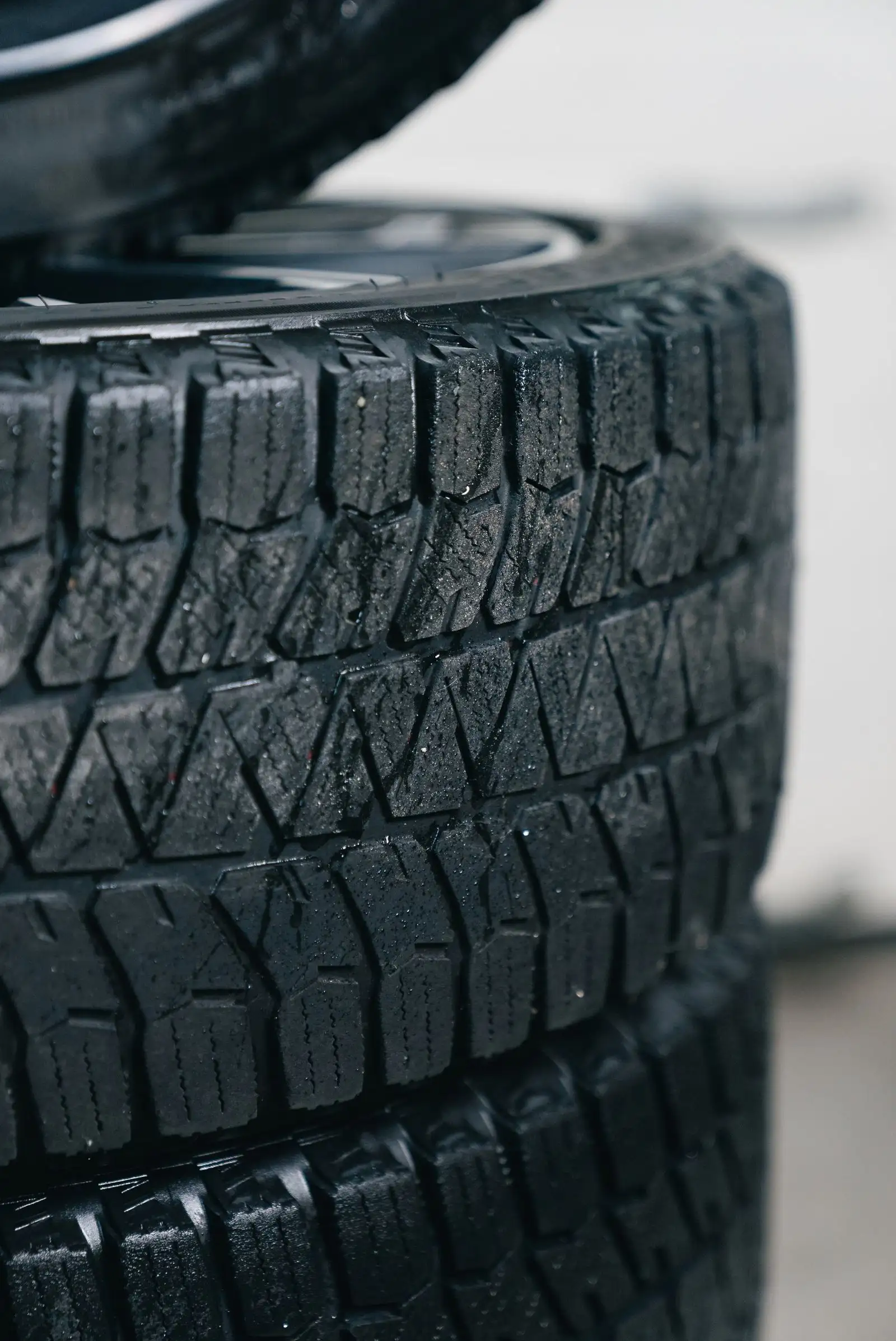
Tread grooves exist to channel water out from under the tire; a tire with worn tread can't move water fast enough at speed, and the tire rides up on a layer of water instead of the road, which is hydroplaning. The U.S. Tire Manufacturers Association's line is 2/32 of an inch as the point a tire is legally worn out, but many shops recommend replacing closer to 4/32 of an inch specifically for wet-weather safety, since the margin for pushing water away shrinks well before a tire hits the legal minimum.
The penny test still works in a pinch: put a penny in the tread groove with Lincoln's head upside down, and if you can see the top of his head, the tread is at or below 2/32 of an inch. If you're heading into storm season on tires that are already borderline, that's the wrong time to find out the hard way.
West Georgia Local
Find the right shop near you
Tell us your vehicle and what you need — we'll match you with a vetted West Georgia shop. Free, no obligation.
Before a storm: a real checklist
Check tire pressure against the number on the driver's door sticker, not the sidewall, since underinflated tires flex more, run hotter, and lose grip faster in the wet. Check the spare's pressure and condition too; a spare that's been sitting flat for two years doesn't help during an actual storm.
Beyond tires: test wiper blades that streak or skip, since visibility drops fast in a downpour; have the battery tested if it's more than three years old, since a stall in standing water is a much worse problem than a stall in a parking lot; and keep the tank closer to full than empty when a storm is forecast, since gas stations can lose power along with everyone else.
After driving through standing water: what to check
Never drive into water of unknown depth or anything moving across the road; that's standard guidance from the National Weather Service, and it holds regardless of how familiar the road is. Water that looks like a few inches can hide a washed-out shoulder or a deeper dip than it appears.
Once the vehicle is somewhere safe, check the tires for cuts or debris embedded in the tread, since storm runoff carries gravel, glass, and metal that a clear road doesn't. Water on the brake rotors temporarily reduces stopping power right after a crossing, so tap the brakes gently at low speed to dry them out before you need full stopping power. If the vehicle went through anything deeper than a few inches, or the brakes still feel soft or make a new noise afterward, get it inspected before the next drive rather than assuming it shook off.
Frequently asked
When does hurricane season actually peak in Georgia?
The Atlantic hurricane season officially runs June 1 through November 30, but NOAA's own data shows the real risk concentrated from mid-August through mid-October, which accounts for 78 percent of all tropical storm days and 96 percent of major hurricane days nationally. That window is active now.
Did Hurricane Helene actually affect West Georgia?
Yes, though moderately compared to areas farther east. NOAA's Storm Events Database recorded 23 trees down and downed power lines across Carrollton, Whitesburg, and Villa Rica in Carroll County from Helene in September 2024, with about $35,000 in local property damage, even as the storm's worst damage tracked well to the east.
How much tread depth do I need to avoid hydroplaning?
The legal minimum is 2/32 of an inch, but many shops recommend replacing at 4/32 of an inch for wet-weather safety, since a tire's ability to channel water away drops well before it reaches the legal wear bar. The penny test (Lincoln's head upside down in the groove) is a quick way to check.
Is it safe to drive through standing water on a West Georgia road?
Not if the depth is unknown or the water is moving. That guidance comes straight from the National Weather Service and applies just as much on a familiar county road as anywhere else, since standing water can hide a washed-out shoulder or a deeper dip than it looks.
Keep reading
Last updated 2026-08-14. General guidance only — confirm specifics with a local shop for your exact vehicle.