Published by Rims & Tires
Compiled & checked by the site's publisher from manufacturer, NHTSA & USTMA data · Updated 2026-07-24
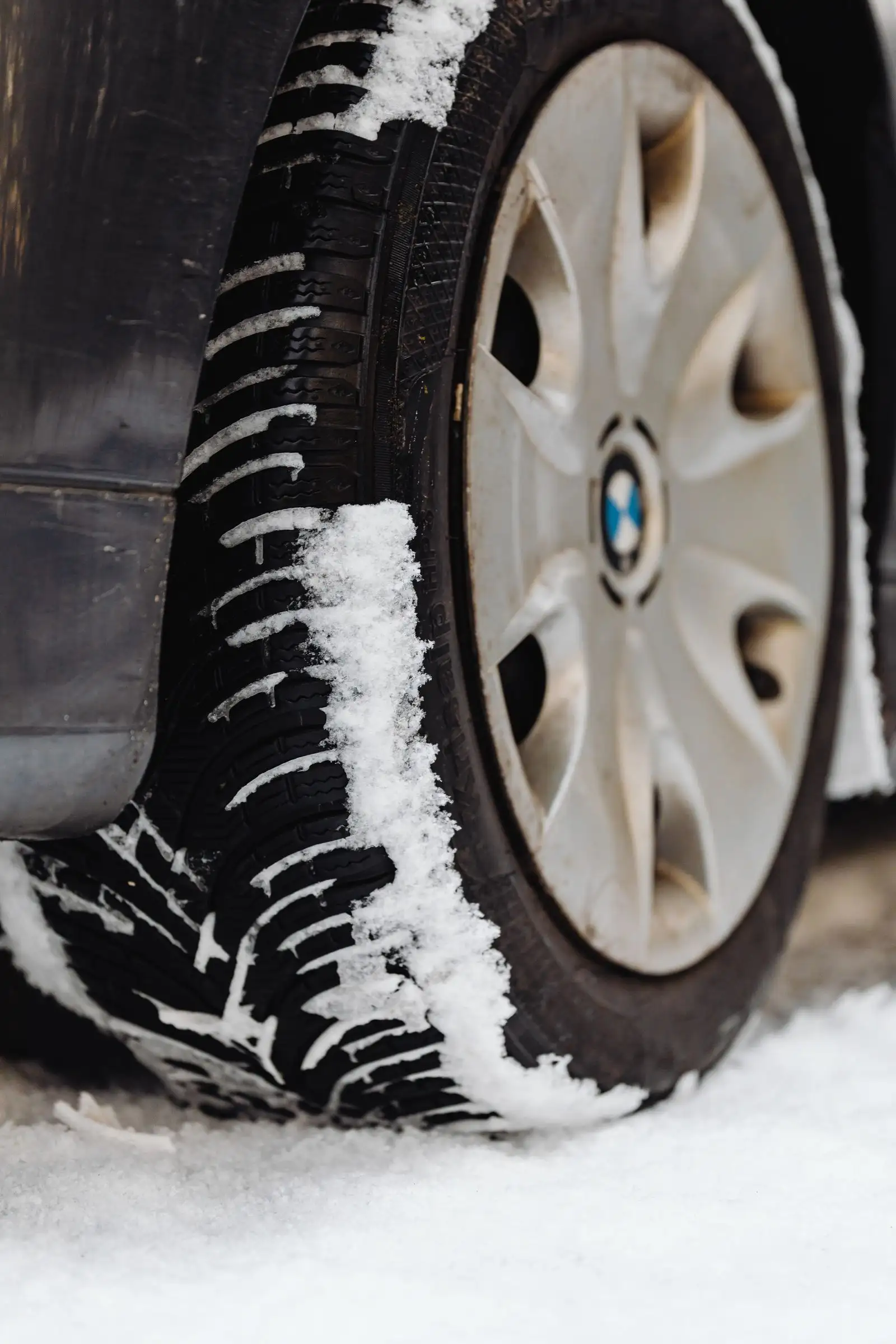
Tire chains and snow tires are often lumped together as winter traction products, but they are fundamentally different. Chains are a temporary emergency traction device for severe snow accumulation. Snow tires are a permanent cold-weather upgrade for regular winter driving. The difference matters.
Tire chains — what they are and when they apply
What they are: metal link or cable systems that wrap around your existing tires to add mechanical biting action on snow and ice.
When they are needed: deep, sustained snow accumulation where even snow tires can get stuck. Mountain passes, severe winter storms, areas that rarely get plowed.
When they are NOT needed: light snow, slush, and icy roads where good snow tires perform better than chains.
Georgia law: chains are legal in Georgia but rarely needed. Snow tires are almost always the better solution for Georgia conditions.
Driving speed with chains: maximum 25–30 mph. Chains on dry pavement destroy both the chains and your tires within minutes.
Removal: chains must be removed immediately when roads are clear — they are a temporary traction device, not a replacement for snow tires.
Snow tires — what they are and when they apply
What they are: tires engineered with a cold-weather rubber compound and aggressive sipe design specifically for ice, snow, and sub-45°F temperatures.
When they are needed: regular winter driving in conditions where temperatures regularly drop below 45°F and snow or ice is expected.
When they are NOT needed: climates with only occasional winter weather events. For West Georgia, all-weather tires (3PMSF-rated) are a more practical solution than dedicated seasonal swapping.
Driving speed: normal driving at normal speeds — they are regular tires designed for winter conditions.
West Georgia Local
Find the right shop near you
Tell us your vehicle and what you need — we'll match you with a vetted West Georgia shop. Free, no obligation.
What West Georgia drivers actually need
Chains: rarely needed in West Georgia. The winter weather profile (occasional ice glaze, brief snow, not sustained accumulation) does not require chains for most drivers.
All-weather tires (3PMSF): the practical West Georgia winter solution. Better than all-season in ice and snow, no seasonal swapping required.
Dedicated winter tires: for drivers who regularly commute over the Appalachian foothills or travel to the North Georgia mountains.
Tire chains vs. snow tires at a glance
| Factor | Tire chains | Snow tires |
|---|---|---|
| Best use | Emergency traction in deep, sustained snow | Regular winter driving below 45°F |
| Duration | Temporary, on and off as needed | Seasonal, mounted for the winter months |
| Max driving speed | 25 to 30 mph | Normal posted speeds |
| Legal in Georgia | Yes, but rarely needed | Yes |
| West Georgia fit | Rare mountain-storm use only | All-weather (3PMSF) tires cover most needs |
Frequently asked
Are tire chains legal in Georgia?
Yes. Georgia Code allows tire chains when road conditions require them. However, chains must be removed once roads are clear — driving on dry pavement with chains is prohibited.
Do I need chains or snow tires for the North Georgia mountains?
Snow tires (or all-weather tires) are the better solution for regular mountain driving. Chains are appropriate only for the rare severe storm that accumulates deep snow on mountain passes. Most winter mountain trips in North Georgia are handled well by quality all-weather tires.
Do I really need snow tires living in West Georgia?
Most drivers here don't. Our winters bring the occasional ice glaze and a brief snow, not the sustained cold and accumulation that justify a dedicated winter set. A quality 3PMSF-rated all-weather tire covers those rare bad days and still works fine the rest of the year, without the hassle of swapping tires twice a season.
Are chains hard to put on in an emergency?
They're fiddly the first time, especially cold, wet, and in the dark on a shoulder, so practice once in your driveway before you ever need them. You have to fit them snugly, drive slowly, and pull them off the moment the road clears or you'll chew up both the chains and your tires. For nearly all West Georgia driving, a good winter or all-weather tire is the simpler, safer answer.
Keep reading
Last updated 2026-07-24. General guidance only — confirm specifics with a local shop for your exact vehicle.